Need Help?
Feel free to contact us. One of our agent will assist you as soon as possible. We are very active on WhatsApp.
Feel free to contact us. One of our agent will assist you as soon as possible. We are very active on WhatsApp.
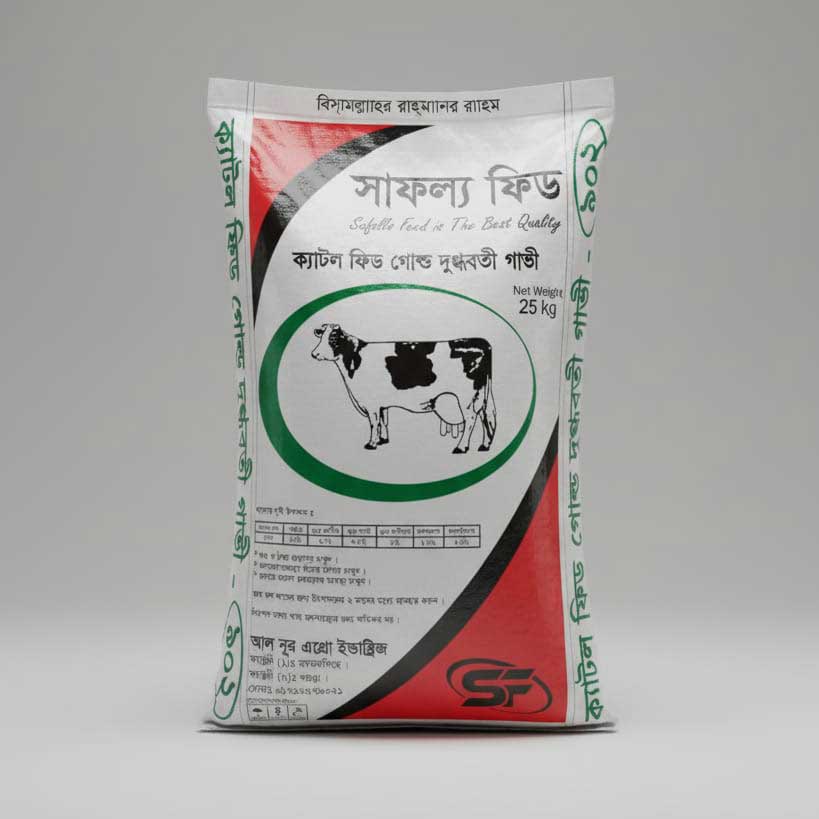
Pack sizes: 50 kg.
Shelf Life: Within 45 days of packing.
Maize, Rice Polish, Soybean Cake, Full Fat Soybean, poultry meal,
Feather felt, Extra Protein, Dry Calcium Phosphate, Lysine,
Methionine, Amino Acids, Enzymes, Anti-Oxidant, Vitamin, Premixes, Mineral
And Other Feed Addition.
150 Gram Mat laminated moisture protected, first grate Quality HDP Poly bag.
(a) Build a loft 6 inches above the floor to store feed.
(b) Store feed in a cool, dry, well-ventilated area.
(c) Maintain a minimum clearance of 15/18 inches from walls.
(d) Feed bags should be stacked no higher than 6 to 7 bags high and
The distance from one bag to another should be at least 18 inches.
This prevents the feed from fungus or spoilage and Allows for necessary
air circulation around the bags.
(e) Rotate the stock first to finish off old feed.
(f) Keep different types of feed separate and clearly marked.
Be especially careful not to mix bags of other feeds together.
(5) Features:
(a) Antibiotic-free production.
(b) There is no urea or chemicals in the feed.
(c) No feed coloring is used.
(d) Protein and fat quality control.
(e) The use of specific fibers listed in the feed and
Weather-based formulation exemptions and
Nutritional controls have been maintained.
(f) No hormones are used in the feed for additional growth.
(a) Increases the digestive power of the stomach.
(b) Increases the reliability of immunity.
(c) Ensures good health.
(d) Retains the correct taste of meat.
(e) Manages the correct lifespan of the animal.
This feed is typically recommended for laying hens from approximately 16-18 weeks of age (point of lay) through the early peak production phase, to support the onset of egg laying and high productivity.
Offer the mash feed ad libitum (free access) in clean troughs or feeders, ensuring unrestricted access to fresh, clean water and oyster shell or grit for additional calcium and digestion support.
Transition gradually to a phase 2 or maintenance layer feed after the peak production period (around 35-40 weeks of age or when egg production starts to decline slightly), to match reduced nutritional demands while sustaining lay.